
What is the difference between BBL and IPL?
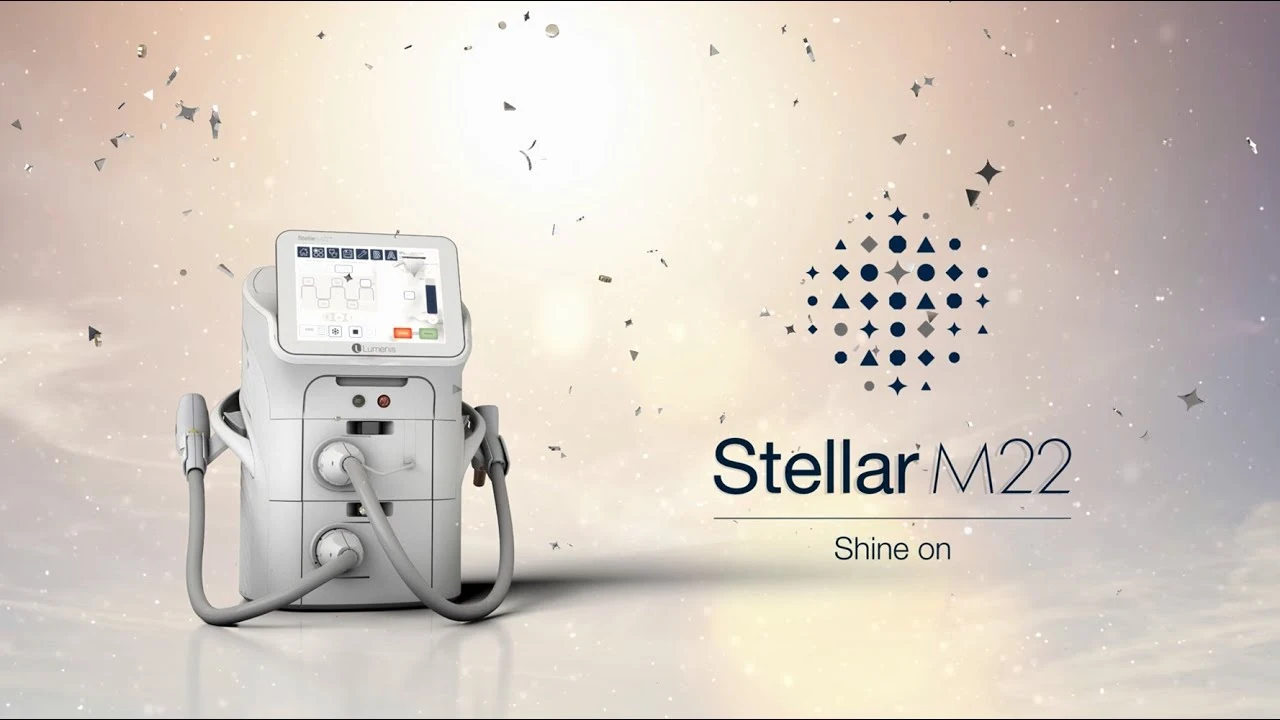
Table of Contents
BBL and IPL often appear as two competing treatments. In reality, they are closer than their names suggest: BBL (BroadBand Light) is the branded version of IPL from the manufacturer Sciton – both work with intense pulsed light. At alestetics in Zurich, we work with the Lumenis Stellar M22 IPL, one of the most modern IPL systems. Here you can read how the technology works, what it can achieve, and what really matters.
BBL and IPL – the same approach, different brands
BBL and IPL both use pulsed, broadband light to improve pigment, redness, and skin texture. BBL is not a distinct treatment principle itself, but rather Sciton's protected IPL variant. Therefore, the brand name is less crucial for the outcome than the specific device, the correct settings, and skilled application. We work with the Lumenis Stellar M22.
Why we work with the Lumenis Stellar M22
The Stellar M22 is more than a standard IPL device. It combines multiple technologies that allow treatment to be controlled precisely and comfortably:
- OPT (Optimal Pulse Technology) for uniform energy delivery
- MSP (Multiple Sequential Pulsing), which gently heats the skin in multiple stages – less heat, less irritation
- Integrated cooling, which protects the skin surface during treatment
- one modular system, which can be combined with laser modules such as ResurFX™
This allows for a range of concerns to be addressed – from uneven skin tone and redness to fine skin texture. You can read more about the treatment with us on the page Stellar M22™ IPL & ResurFX™.
How IPL works on the skin
IPL (Intense Pulsed Light) emits short pulses of light from a broad wavelength range (approximately 400 to 1200 nm). Filters can be used to control the light so that specific structures in the skin are targeted – so-called chromophores:
- Melanin for an uneven, sun-induced complexion
- Haemoglobin for redness and Couperose
Light turns into heat that warms these target structures in a controlled way so the body can break them down. At the same time, gentle heat stimulates fibroblasts to build new collagen, firming and smoothing the skin (Li et al., 2016). A systematic review confirms that IPL improves sun-induced pigmentation, redness, and skin texture (Sales et al., 2022). Read more in Building collagen.
What IPL can do – and what it cannot
IPL is effective for sun-induced pigmentation, redness, and uneven skin tone. However, its effect is limited for deep wrinkles – other methods are better suited for these. To be honest: IPL primarily improves the colour and surface of the skin, less so the depth. And it doesn't replace sun protection – more on that shortly.
Why sun protection is so important after IPL
After IPL treatment, the skin is particularly sensitive to light because pigment cells and superficial structures have been stimulated. UV radiation can trigger new pigmentation or redness during this phase. Therefore, the rule is: consistent sun protection with a high sun protection factor (SPF 50) for at least two to four weeks – even on cloudy days. Good sun protection not only protects but also maintains the result.
Which treatment is right for you?
Whether IPL is suitable for your skin goal – and with which settings – depends on your skin type and condition. Lighter to medium skin types are generally well-suited; for darker skin types, we decide individually, as the risk of pigment shifts can be higher. It's best if we discuss this together in a AURA 3D skin analysis.
Book your free skin analysis – non-binding, booked in two minutes.
What is the difference between BBL and IPL?
How can IPL improve skin?
Is IPL suitable for all skin types?
How many sessions do I need and what should I pay attention to afterwards?
Sources & Studies
The statements in this article are based on the following scientific publications:
- Li D et al. (2016). Intense Pulsed Light: From the Past to the Future. Photomed Laser Surg. PubMed 27697004
- Sales AFS et al. (2021). Intense Pulsed Light on skin rejuvenation: a systematic review. Arch Dermatol Res. PubMed 34609598
Written by
Alexandra Stroganova
Founder of alestetics® · Pre-ageing specialist
Medical cosmetologist · Certificate of competence V-NISSG · Lymph therapist · since 2021
Alexandra founded alestetics® in Zurich in 2021. She works according to the ‘pre-ageing’ philosophy: improving skin quality early on, rather than trying to conceal it later.
Find out more about Alexandra and the team →